The Essential Guide to Last Mile Delivery Communication [2025 Best Practices]

Last mile delivery communication isn't just one part of your operation—it's the cornerstone that holds everything together. If your operation's not communicating
Clearly, predictably, and effectively, you're not just at risk of being misunderstood—you're at risk of being outperformed.
When team members miss updates, show up late, or operate with outdated information, the cost shows up in dropped routes, an increase in accidents, and frustrated customers. These communication challenges in the last mile sector don't just impact your day-to-day operations—they threaten your entire business Foundation.
Every message should be need-to-know, not nice-to-share. In delivery team communication, precision matters more than volume. A predictable message schedule—same day, same time, same format—does more than create order. It builds trust. This consistency becomes the backbone of reliable operations.
The practical reality is that communication systems directly impact your bottom line. Throughout this guide, we'll explore why communication is critical in last mile delivery, examine how predictable communication builds trust, uncover the hidden costs of poor communication, and share the best practices and tools you need to master delivery communication in 2025.
Content Overview
In this guide, we're diving into four critical areas of last mile delivery communication that directly impact your operational success.
Why communication is the backbone of last mile delivery
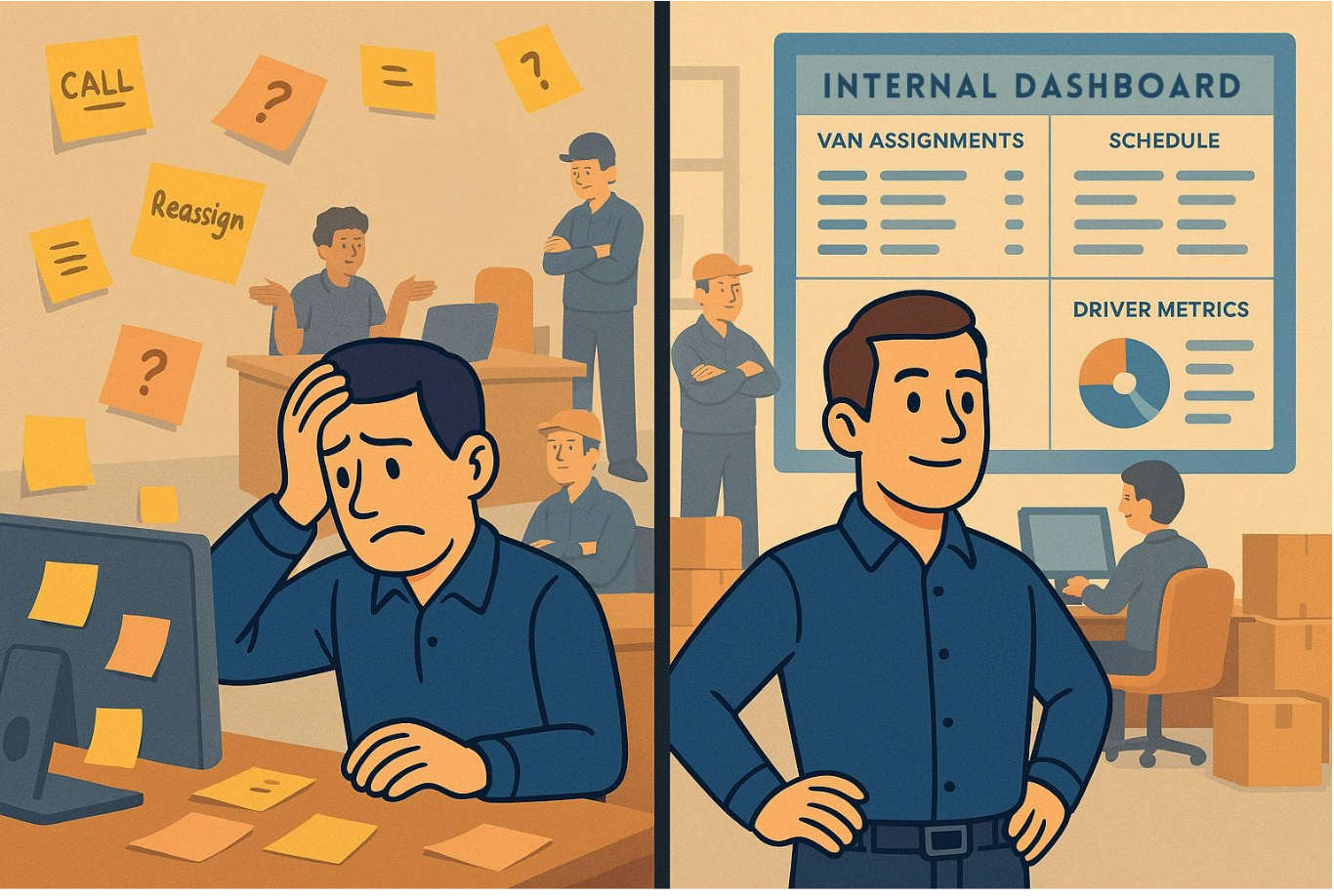
Communication serves as the foundation upon which successful last mile delivery operations are built. In today's competitive environment, effective communication is no longer optional—it's essential for survival and growth.
Customer expectations and real-time updates
The data speaks for itself: 98% of consumers directly link delivery experience to brand loyalty. For businesses failing to meet expectations, the consequences are severe—84% of customers won't make another purchase after a disappointing delivery experience. Today's customers demand transparency. Nearly half (47%) cite lack of visibility as a primary reason for dissatisfaction, while 82% actively seek proactive updates on their orders. According to recent studies, 90% of consumers want to track their deliveries, with many specifically requesting real-time location visibility.
Clear tracking updates don't just satisfy curiosity—they allow customers to plan their day effectively, feeling respected rather than inconvenienced.
Internal team alignment and accountability
Behind every successful delivery stands a team connected through efficient communication channels. Despite sophisticated technology, execution remains the biggest challenge for many organizations.
Delivery teams face significant obstacles when communication systems break down:
- Loss of critical skills due to employee turnover
- Unclear organizational goals and priorities
- Insufficient executive alignment and oversight
Establishing clear communication protocols creates accountability throughout the delivery chain. Tracking specific, actionable KPIs daily—rather than drowning in extensive reports—helps teams stay focused on what truly matters.
Impact on delivery performance and satisfaction
The financial implications of poor communication are substantial. Collectively, carriers, retailers, and consumers lose approximately $1.60 billion annually due to missed delivery windows. Conversely, timely updates can significantly reduce "customer-not-at-home" scenarios.
Companies prioritizing communication excellence see tangible results, including 13% lower overall operational costs.
Notably, fast responses to customer inquiries correlate with a 20% decrease in negative reviews and 30% fewer repetitive complaints. Ultimately, effective communication transforms the delivery experience from a stressful guessing game into a confident, seamless interaction for both customers and delivery teams.
Predictability and clarity: The trust builders
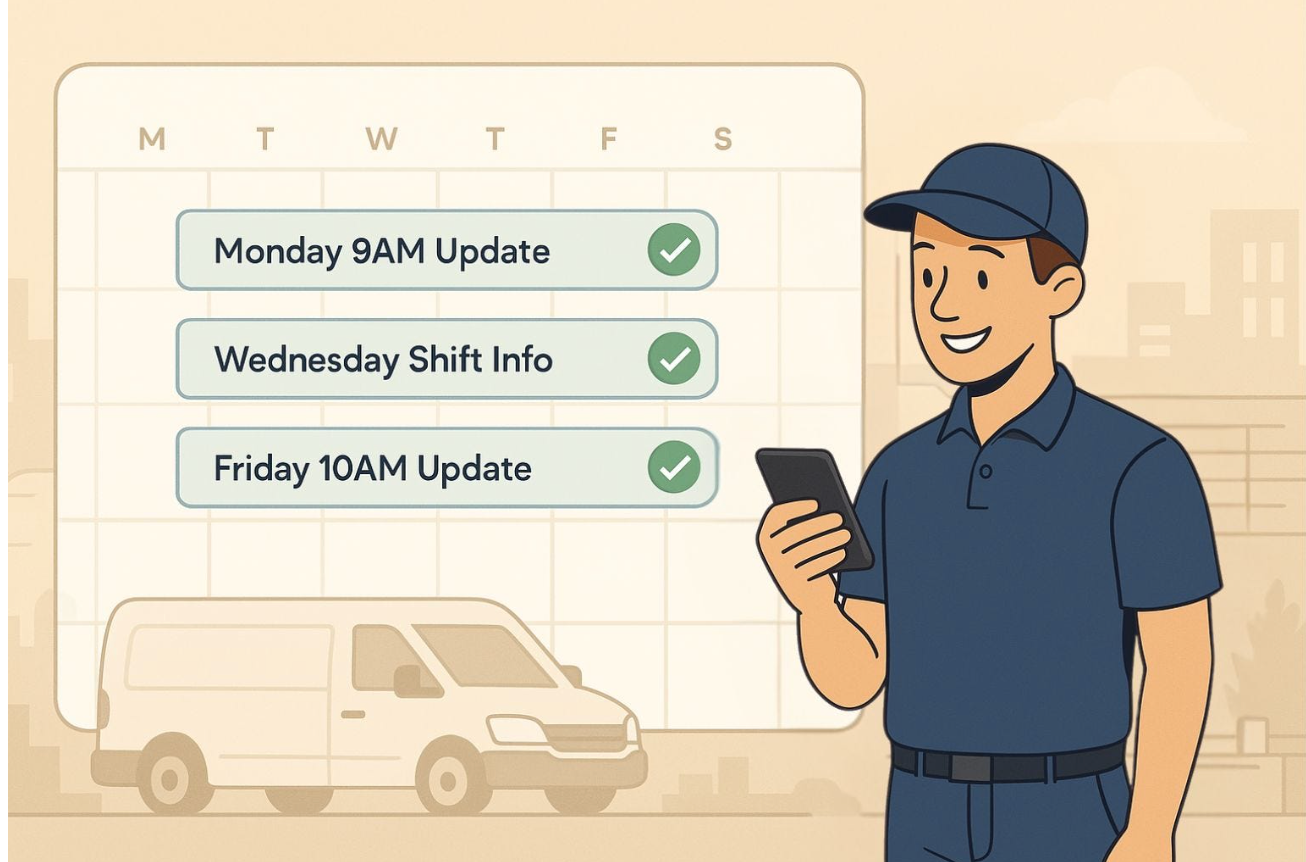
Predictability builds trust in last mile delivery. In fact, packages that reliably arrive on schedule create confidence, whereas hit-or-miss deliveries cause customer stress. Building a predictable communication system requires intentional structure and consistent execution.
Set a regular communication schedule
Establish standard operating procedures for delivery updates to reduce confusion. Automating text and email messages at pre-defined cadences creates reliability—including pre-routing confirmations, delivery reminders, real-time alerts, and post-delivery receipts. These regular touchpoints help customers plan effectively and feel valued throughout the delivery journey.
Use consistent formats and language
Clear, concise messaging prevents misunderstandings that complicate the delivery process. Standardize communication protocols with specific guidelines for check-ins and reporting formats. Consider your communications as part of your brand experience—consistent language and formatting reinforce professionalism and reliability across every interaction.
Ensure messages are relevant and timely
Studies show 83% of shoppers expect regular communications about their orders during transport. Provide real-time updates on delivery status, estimated arrival times, and potential delays. This transparency reduces uncertainty and helps manage customer expectations effectively. Offer multiple communication channels like SMS, email, and chat to accommodate different preferences.
Avoid over-communication fatigue
Although proactive updates are vital, balance is essential. Each message should serve a purpose—providing value without overwhelming recipients. Focus on quality over quantity by ensuring each communication delivers actionable information that helps customers prepare for their delivery without creating notification burnout.
The hidden costs of poor communication
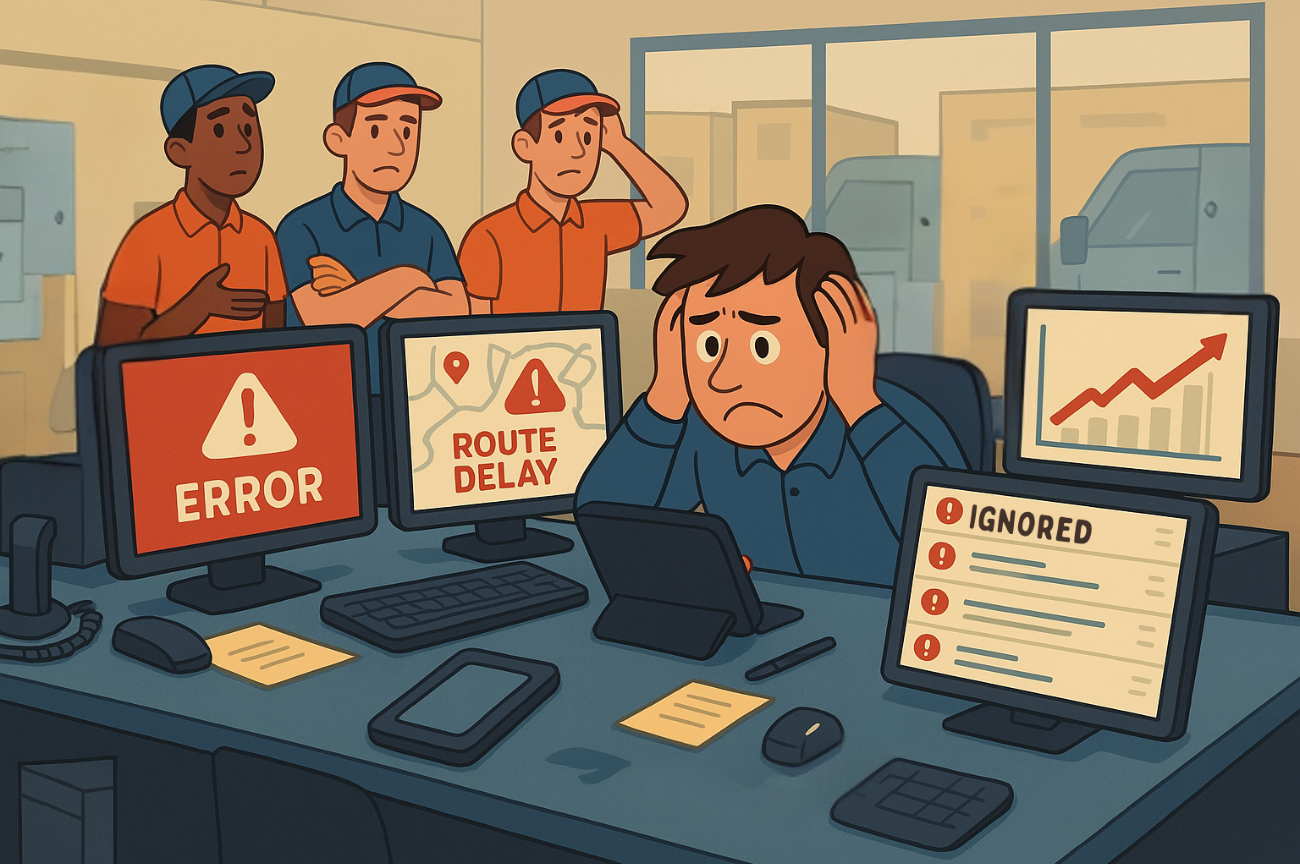
Behind the scenes of inefficient last mile operations lurk financial drains that often go unnoticed until they've significantly damaged your business.
Missed routes and delayed deliveries
The majority of last-mile problems stem from miscommunication between various delivery stakeholders. When warehouse managers struggle to maintain proper inventory, shipping and delivery delays become inevitable. Consequently, these communication breakdowns manifest in missed schedules and route optimization issues. Without real-time information platforms, vehicles cannot be immediately re-routed when facing traffic problems.
Low morale and high turnover
A survey of HR managers revealed that lack of "honest and open communication" ranks as the #1 source of low workforce morale. In fact, 33% of respondents identified this communication gap as having the most negative impact on employee satisfaction. Poor communication eventually leads to decreased productivity, increased workplace conflict, and reduced employee engagement. The physical demands of delivery work combined with ineffective communication creates a perfect storm for high driver turnover.
Customer complaints and lost contracts
An alarming 86% of consumers will abandon a brand after just two poor customer service experiences. Studies show 50% of customers blame poor delivery experiences directly on lack of communication. Nearly 70% of businesses identify inaccurate address or customer data as the primary reason for failed deliveries.
Overload from irrelevant updates
Over-communication can be just as damaging as insufficient communication. When drivers receive dozens of irrelevant messages weekly, they become conditioned to ignore potentially important updates. This communication fatigue causes engagement to drop precisely when attention is most needed.
Best practices for last mile communication in 2025
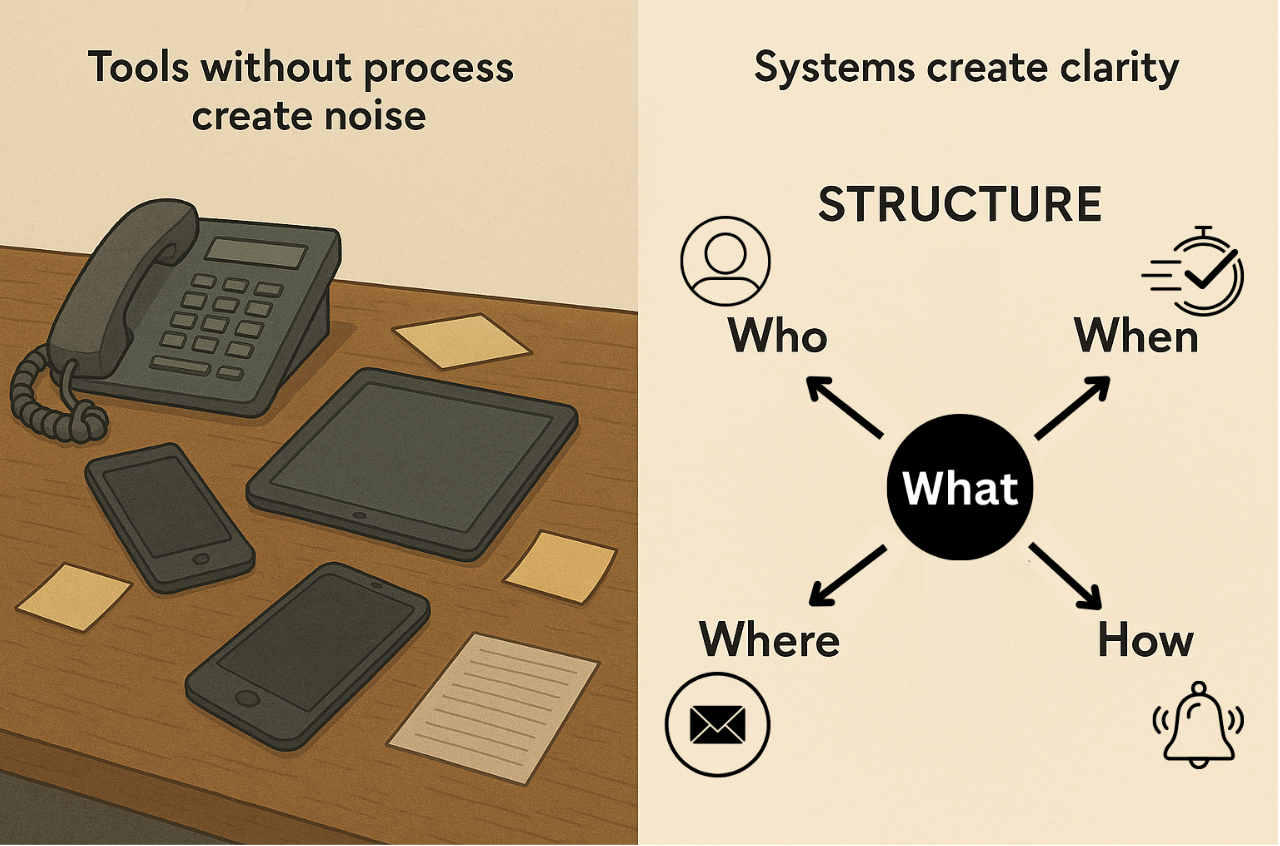
Mastering communication requires strategic implementation of systems and tools that connect every stakeholder in the delivery chain. First and foremost, let's examine the practical methods that top performers are implementing in 2025.
Use the right channel for the right message
Matching communication channels to message type is essential for effectiveness. For time-sensitive updates like delays, SMS achieves nearly immediate engagement, with messages typically read within minutes. For routine information, email works well, as does a central dashboard for operational teams. Many organizations have shifted to multi-channel approaches, including WhatsApp integration and mobile apps, enabling customers to choose their preferred communication method.
Build a structured communication system
A well-designed communication framework eliminates guesswork and ensures critical information reaches its intended recipients. Structured protocols should include:
- Proactive notifications at key touchpoints (purchase confirmation, pre-delivery, driver en route, post-delivery)
- Consistent messaging formats across all channels
- Clear escalation paths for communication breakdowns
Leverage mobile-friendly tools
In 2025, mobile optimization isn't optional—it's mandatory. Mobile-friendly interfaces ensure delivery teams can access information regardless of location. Real-time tracking applications that show driver location have become standard, with 80% of German shoppers now expecting location updates 1-2 hours before Delivery.
Create feedback loops for improvement
Immediate post-delivery feedback collection yields higher response rates and more balanced customer sentiment. Digital feedback tools enable automated collection without burdening drivers or support teams. This data reveals systemic issues and helps identify improvement opportunities for communication systems.
Train teams on communication protocols
Comprehensive training ensures consistent implementation across your organization. Teams need to understand not only the mechanics but also the rationale behind communication protocols. Training should emphasize practical skills through realistic scenarios rather than theoretical concepts alone.
Assess and refine your communication system regularly
Communication systems require ongoing evaluation and adjustment. Organizations seeing the greatest benefits establish clear metrics for communication effectiveness and regularly assess performance. Companies implementing comprehensive communication strategies have reported tangible results, including 30% reduction in order status calls and 15-point NPS improvements.
Conclusion
Effective last mile delivery communication stands as the defining factor between thriving operations and those struggling to survive. Throughout this guide, we've seen how communication directly impacts customer satisfaction, team performance, and your bottom line. Simply put, predictable and clear delivery updates build trust that translates into tangible business outcomes.
The stakes couldn't be higher. With 98% of consumers linking delivery experiences to brand loyalty and 84% abandoning brands after disappointing deliveries, communication excellence has become non-negotiable. Additionally, businesses implementing structured communication protocols enjoy 13% lower operational costs while significantly reducing customer complaints.
Predictability remains the cornerstone of trust-building communication. Regular update schedules, consistent message formats, and relevant, timely information help manage expectations effectively. However, balance is essential—each message must serve a purpose without creating notification fatigue.
The hidden costs of poor communication affect every aspect of your operation. From missed routes and delayed deliveries to low team morale and high turnover, these expenses silently erode profitability. Therefore, addressing communication gaps must become a strategic priority rather than an afterthought.
Looking ahead to 2025, successful last mile operations will thrive by matching communication channels to message types, building structured systems, and embracing mobile-friendly tools. Furthermore, creating effective feedback loops and regularly refining communication strategies will separate industry leaders from those falling behind.
The path forward is clear. When delivery teams communicate consistently, predictably, and effectively, they create exceptional customer experiences while maintaining operational efficiency. After all, last mile delivery communication isn't just about sharing information—it's about building trust one message at a time.
Explore more content at: https://thelastmilenyc.com/outlook/
Key Takeaways
Master these essential communication strategies to transform your last mile delivery operations and build lasting customer loyalty in 2025.
- Communication directly impacts profitability: Poor communication costs the industry $1.6 billion annually, while effective systems reduce operational costs by 13%.
- Predictability builds trust: Regular update schedules and consistent message formats create customer confidence—98% of consumers link delivery experience to brand loyalty.
- Match channels to message urgency: Use SMS for time-sensitive updates, email for routine information, and mobile-friendly tools for real-time tracking.
- Focus on quality over quantity: Every message should provide actionable value—avoid communication fatigue while ensuring 83% of customers get expected delivery updates.
- Create structured feedback loops: Implement post-delivery feedback collection and regular system assessments to continuously improve communication effectiveness.
The bottom line: Effective last mile communication isn't just about sharing information—it's about building trust one message at a time while directly impacting your operational success and customer retention.
FAQ